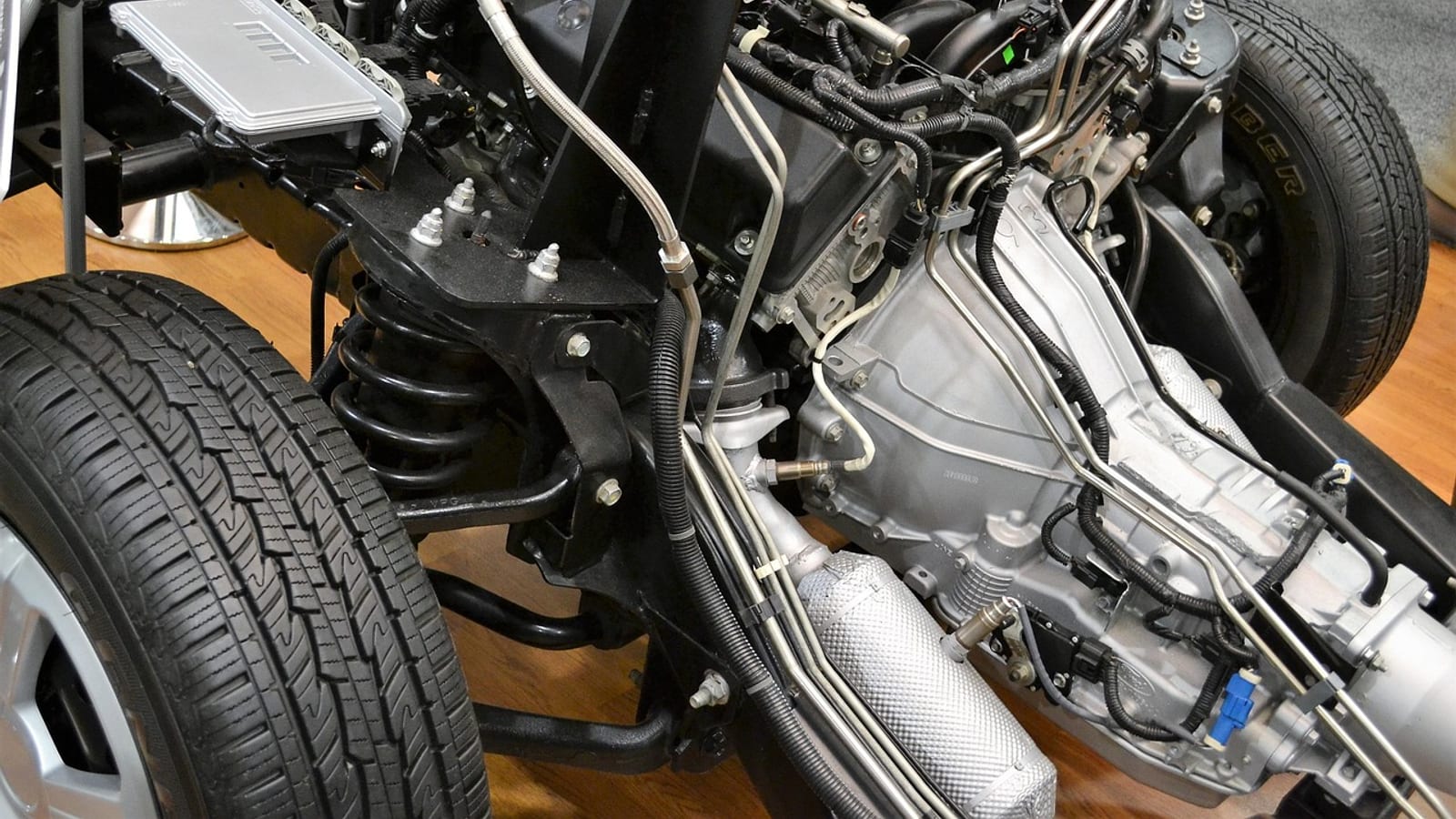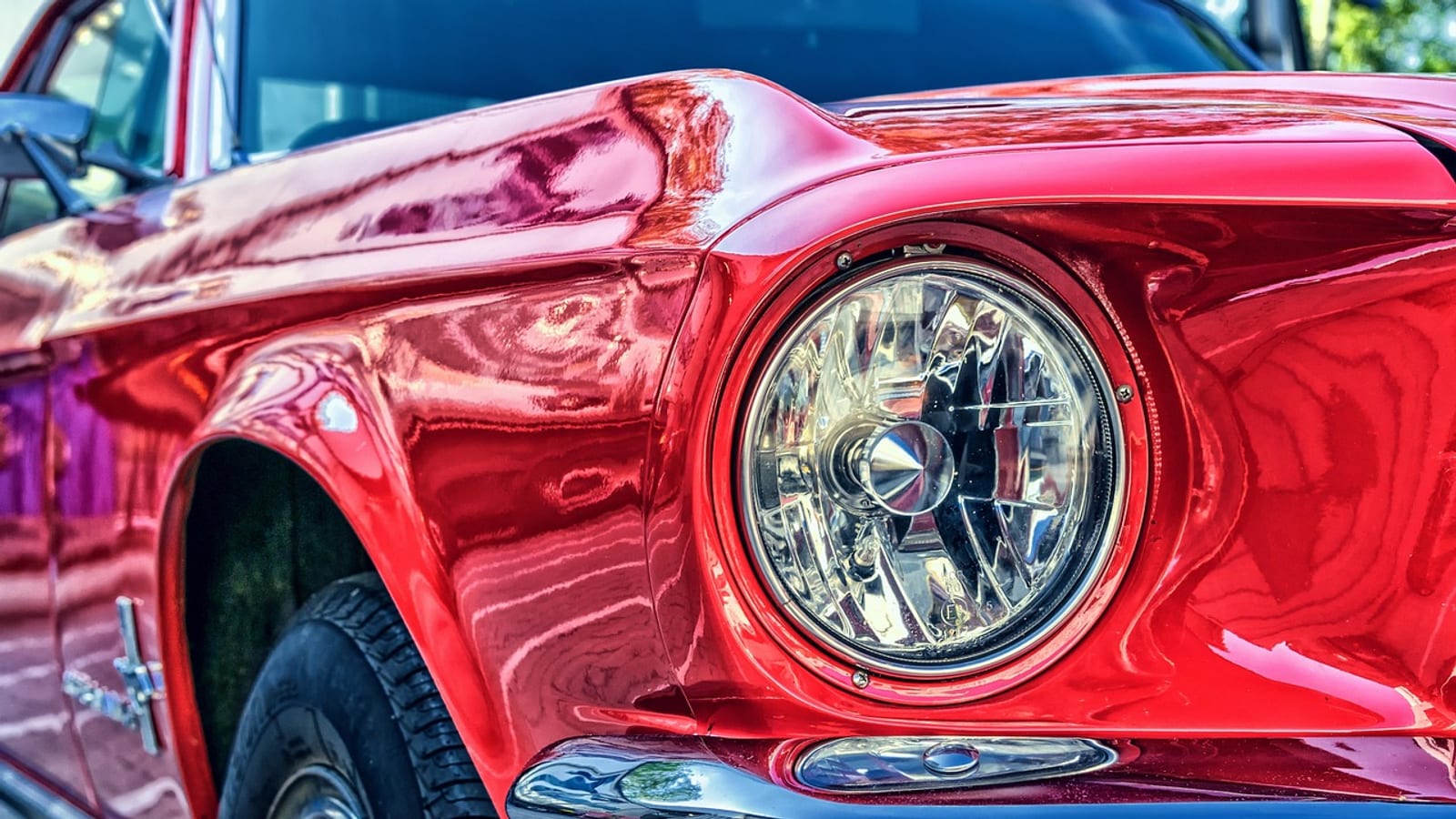
Two cars with the same badge, the same body and the same powertrain can differ in lamps, mirrors, glass and bumper structure depending on the market that sold them. The usual assumption is that the company built a different product for each. More often, the rules built it.
Europe approves a design; America certifies and audits
Europe certifies before sale. A type approval authority examines the design against a list of UNECE regulations, and the car cannot be sold until that approval exists. Change a covered part and the approval has to be extended or revisited, which is why the paperwork travels with the design rather than with the car.
The United States works the other way. The manufacturer certifies that each vehicle meets the Federal Motor Vehicle Safety Standards, fits the label and sells it. The regulator does not sign off the design first. It audits, tests samples and can require a recall if the certification turns out to be wrong.
That difference shapes behaviour. Self-certification puts the burden of proof on the company’s own validation, and the penalty for getting it wrong is a campaign to bring cars back. Type approval puts a third party in the room before the first car is built. Neither regime is obviously stricter; they distribute the risk differently.
The parts that change are the ones you can see
Lighting is the most visible. A lamp that satisfies one rulebook can fail another on beam pattern, colour, the presence of side markers or the way an indicator flashes. The lens may look identical while the reflector, the light source and the wiring behind it differ.
Mirrors and glazing have their own rules on field of view, mounting, thickness and marking. Bumper geometry diverges because one regime tests low-speed impacts and limits damage to listed components, while another treats the front end as a surface that has to be kinder to a pedestrian’s leg. Those two demands pull the same moulding in different directions.
Driver assistance is the newest layer. A feature one regime requires can be optional, restricted or absent in another, because the rules were written around different failures. Fitting the sensors everywhere and enabling the software per market is one answer. Building two wiring harnesses is another.
A buyer notices the sum of these parts rather than any one of them. The car looks the same in photographs and slightly different in a showroom, which is exactly what a compliance change looks like from outside.
Advertisement
Every variant carries its own validation bill
Each market variant carries validation and tooling cost. A new lamp needs photometry, durability and crash work. A different bumper needs its own tooling and its own impact tests. A different mirror needs vibration and field-of-view checks. Multiply that by the number of markets a model sells in and the bill becomes a design constraint, not an afterthought. There is a paperwork cost as well: each market keeps its own evidence file, its own test reports and its own approval to maintain, and a late change has to be re-argued in every one of them.
That is why parts get shared wherever the rules allow. A lamp that clears the tougher of two photometric tests can sometimes serve both markets. A bumper that clears the tougher impact test can be sold in both places, at the cost of a little mass and a little money on every car.
The other option is one car that satisfies everything. Sometimes that is what gets built, and the result carries the most demanding requirement from each regime: heavier bumper structure, extra lamps, more glass marking, more assistance hardware. It is legal everywhere and heavier, dearer and harder to style everywhere too.
Small-volume exemptions exist, and they stop there
Both regimes have narrow routes for very low-volume manufacturers, which can sometimes qualify for limited exemptions from parts of the rulebook. Those routes exist for tiny producers with tiny volumes and their own liability.
They do not help a model that has to sell in large numbers. At that scale the choice is to comply, to build a variant, or to stay out of the market, and the third option is the one that decides which cars never appear in a showroom at all.
Advertisement
What to expect when a model crosses the Atlantic
If you import a car, or compare the same model in two showrooms, expect the lamps, the mirrors, the glass markings and the bumper structure to differ, and expect the assistance menu to differ more. Read those differences as compliance artefacts first and product decisions second.
The car is one design; the lamps, the bumper beams and the paperwork are not.
The reverse is also informative. When two markets do get an identical part, it usually means the part was designed to the stricter requirement, or that volume was large enough to pay for one version. Neither says anything about which market the company prefers.
What a buyer can do with this is limited but useful. Ask what the local car includes that the other market’s version lacks, and whether the difference is a requirement or an option pack. The answer is usually in the specification sheet, and almost never in the advertising.