Car marketing has a vocabulary problem, and buyers pay for it. The same three words — new, updated, redesigned — are used for changes that range from a paint colour to an entirely different structure underneath. The vocabulary is not designed to deceive, exactly. It is designed to be flexible, which amounts to the same thing from the outside.
There is a reliable way through it: understand what each kind of change costs the manufacturer, because the money tells you what actually moved.
A model year is a label
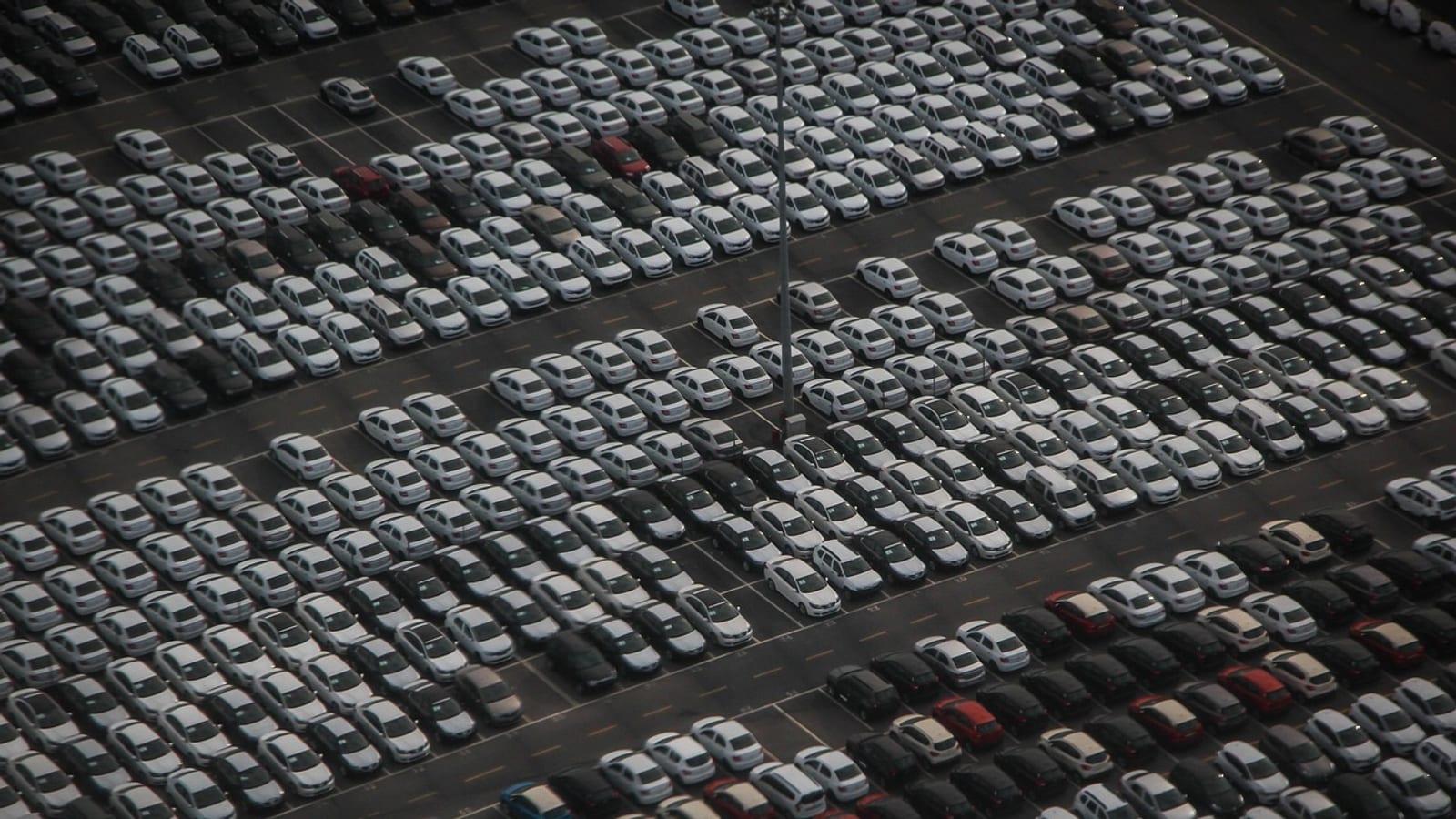
In the United States, a vehicle’s model year is a designation, not a date. A model year can begin well before the calendar year it names, which is why cars labelled as next year’s model are on sale this year.
The label exists for regulatory and administrative reasons: emissions certification, safety compliance, and the paperwork that ties a specific configuration to a specific set of rules. Manufacturers choose when to roll a model year over, and they do it for commercial reasons as often as engineering ones — clearing inventory, aligning with a launch, or separating a running change from a carryover.
So a new model year can mean nothing at all. Sometimes it means a new colour and a price increase. Sometimes it bundles a running change that was already in production. The label is not evidence of engineering.
A facelift is a budget line
A mid-cycle enhancement — facelift, in the trade — usually lands three to four years into a generation, roughly halfway to the redesign.
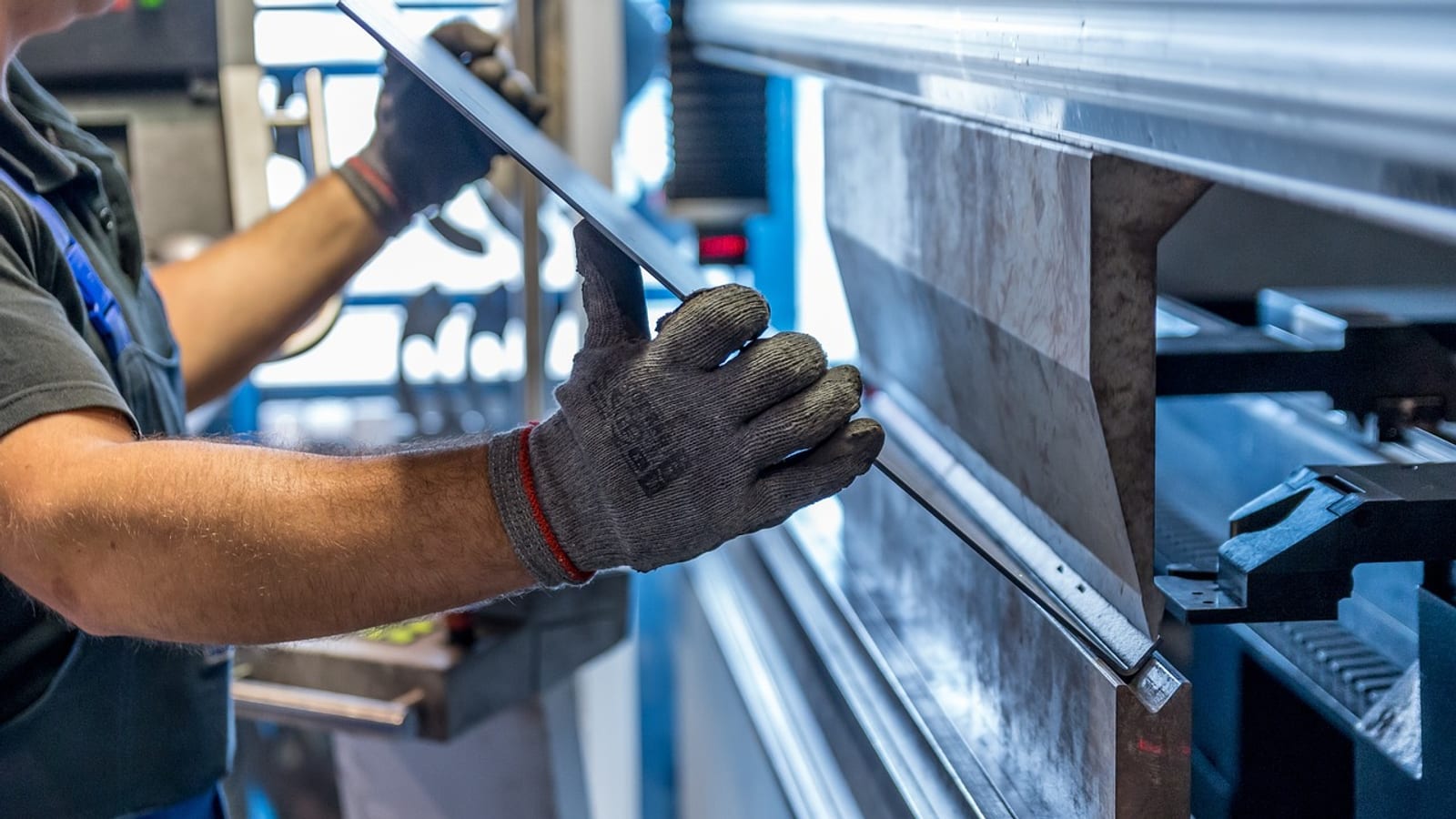
Budget is the tell. A facelift typically funds new front and rear fascias, new lamp graphics, a revised interior with a new centre console or screen, upgraded materials, and often a recalibrated powertrain or a new trim. What it does not fund is a new body-in-white, because that is the expensive part.
That is why facelifts are so visually loud and structurally quiet. The sheet metal between the A-pillar and the rear arch is usually carried over, because the tooling for those panels is already paid for and re-cutting it would cost more than the entire facelift budget.
If you are buying, a facelift is often the best moment in a generation: the early faults have been fixed, the interior is current, and the platform still has years of support ahead of it.
Advertisement
A redesign changes the hard points
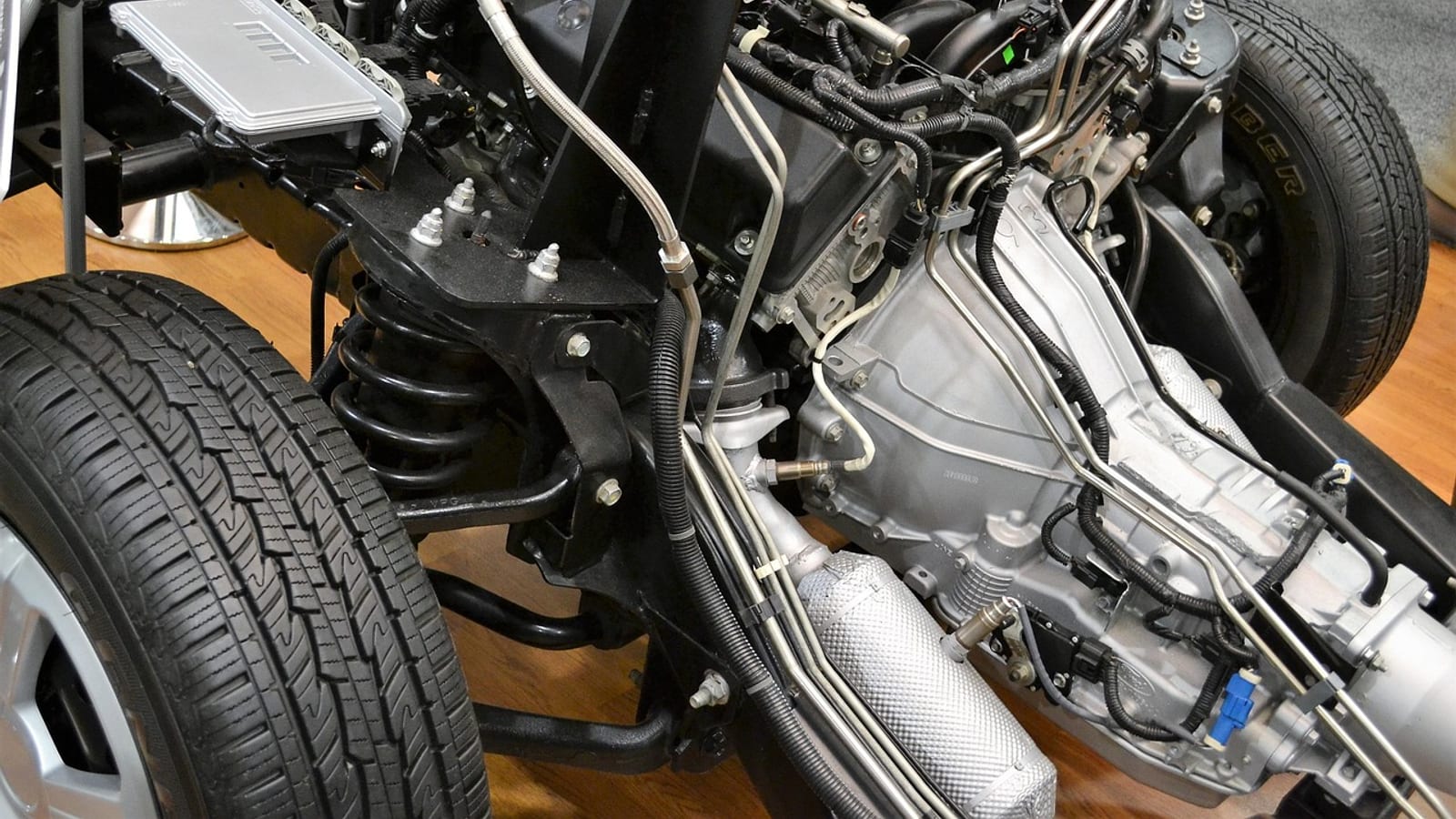
A redesign means a new platform or a substantially revised one, which means new hard points: suspension pickup points, floor structure, crash load paths, electrical architecture, and usually a new body-in-white.
This is where the genuinely consequential changes happen. A new electrical architecture enables features the old car could not support. A new floor changes interior packaging. New crash structure changes mass and stiffness. A new platform changes the cost base, which changes what the car can include at a given price.
Redesigns are also where manufacturers take the biggest risk, because they are committing tooling and plant changes years before demand is known.
The giveaway, if you are comparing generations, is not the styling. It is the wheelbase, the track, the beltline height, and the architecture. If those moved, the car is new. If they did not, it is a thorough facelift.
Running changes, and why they matter
Between the big events there are running changes: a new supplier for a component, a revised seat frame, a software-reconfigurable feature, a different battery chemistry mid-cycle.
These are invisible in marketing and often the most practically important. A mid-cycle chemistry change can alter charging behaviour and cold-weather range. A supplier change can fix a widespread fault. A running change is also why two cars of the same model year can behave differently, which is a recurring source of confusion in owner forums.
Advertisement
How to tell them apart in ten minutes
Four checks, in order of reliability:
Wheelbase and track. Published in specifications. If they changed, the structure changed.
Body panels. Look at the shut lines and the shape of the doors. Carryover doors with a new front fascia is a classic facelift signature.
Electrical architecture and screen generation. A new infotainment platform usually means a new compute architecture, which is expensive and rarely done in a facelift.
Crash test results. A redesign normally comes with a new rating cycle, because the structure is new. A facelift usually reuses the previous result.
Why the vocabulary stays fuzzy
Because the fuzzy version sells better, and because the underlying reality is genuinely complicated. A car can be a facelift in one market and a redesign in another, depending on which plant builds it and which regulations it has to meet. A “new” generation can share a platform with its predecessor while changing every panel.
The practical consequence for a buyer is simple. If what you care about is the structure, the safety performance, and the packaging, wait for a redesign. If what you care about is the interior, the screen, the styling, and the accumulated fixes, a facelift is often the better buy — and usually the better value, because the platform has already been paid for.
Model years are a calendar. Facelifts are a budget. Redesigns are a platform. Once you know which one you are looking at, most of the marketing language stops being confusing and starts being predictable.