The first set of tyres on an electric car often looks tired earlier than the owner expects. There is no single villain. An electric car loads its tyres in four different ways at once.
An electric car asks more of its tyres in four directions
Start with mass. A battery pack is the heaviest item most electric cars carry, and it sits low in the floor. Each tyre carries that load through a patch about the size of a hand: more force pressing rubber into the road, more heat as the tread deforms, more scrub in corners. That is why load ratings on electric models run higher than on a petrol equivalent.
Then torque. An electric motor delivers its maximum torque from low speed, so the tyre must turn that force into grip from the first metre of throttle. A petrol engine has to build revs before it gives its best. An electric car’s tyres work hardest exactly when a driver is most likely to ask for everything.
Third, the efficiency brief. Range is a headline number, and rolling resistance is one of the few places to find range without adding battery capacity. A tyre that deforms easily and returns most of that energy as it rolls takes less from the pack. The catch is that the property which lowers rolling resistance also lowers grip.
Fourth, quiet. With no engine masking it, tyre noise becomes the dominant sound in the cabin at ordinary speeds. That changes what a manufacturer is willing to fit, and it changes what a driver notices. The worn tyre you would once have heard is now something you meet at an inspection.
These pressures do not pull the same way. Mass and torque push toward more rubber and a stickier compound. The efficiency brief pushes back, and silence makes every compromise audible.
Rolling resistance is paid for in grip or in wear
Rolling resistance comes from hysteresis. Rubber compressed at the front of the contact patch springs back less completely at the rear, and the difference leaves the tyre as heat. A compound with low hysteresis rolls easily because it wastes little energy in each deformation cycle.
Grip depends on the opposite behaviour. A tyre holds the road by deforming into the surface and resisting the slide, so a compound reluctant to deform has less to work with. Wet grip suffers first, because the tread must also move water. A shallower tread rolls better and clears less of it.
A tyre brief is a list of trades, and range usually sits near the top of it.
What is new is the weight behind the trade. When a few miles of range can decide whether a car clears a buyer’s commute, the tyre becomes part of the powertrain argument.
Advertisement
An EV tyre is a different component, not a label
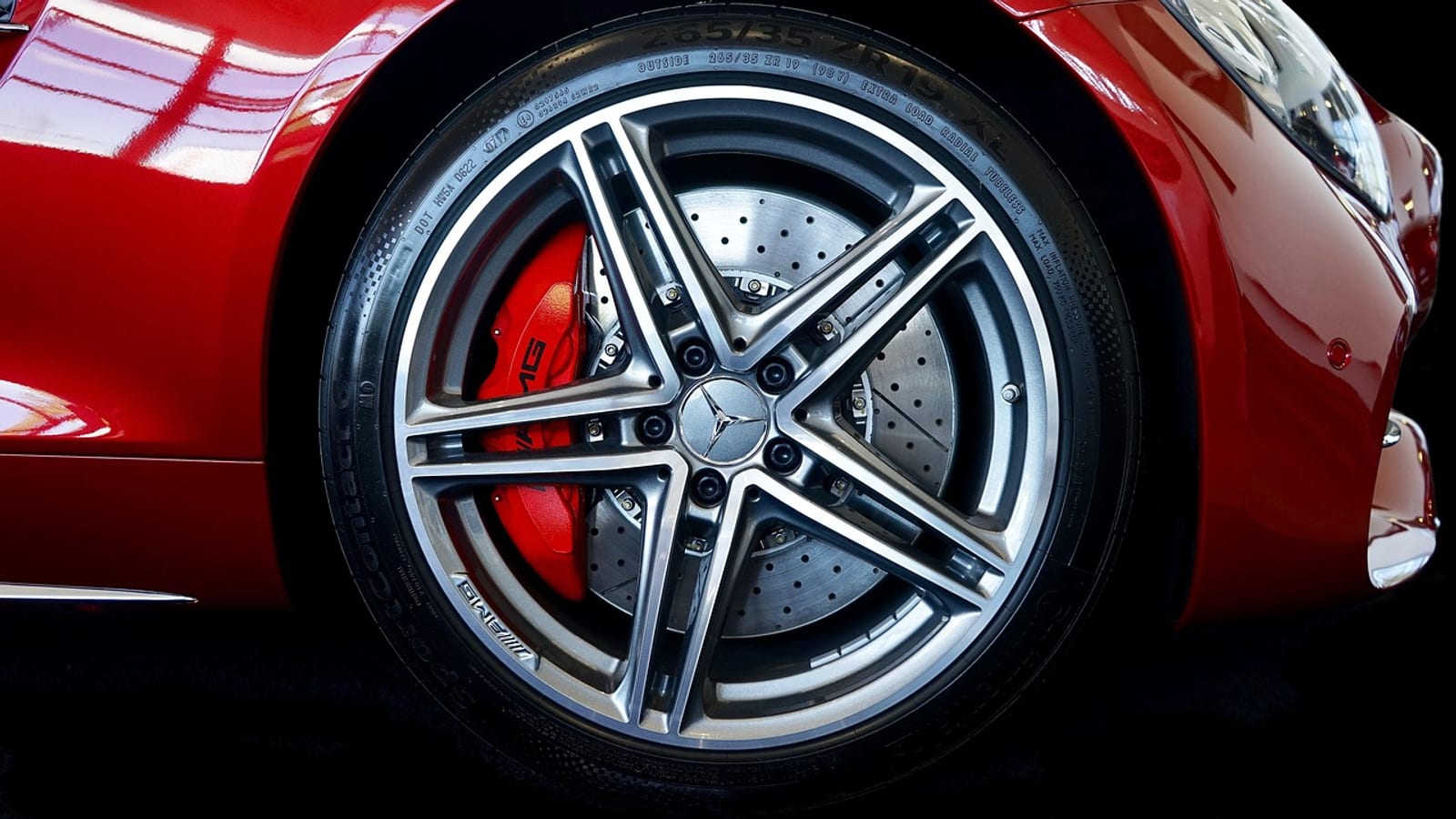
Tyres sold as EV-specific differ in ways an owner can check on the sidewall. The load rating goes up, because the car is heavier. The carcass is tuned for a low centre of gravity and a lot of mass. The compound covers high torque at low speed and low rolling resistance at once, which is the hard part.
Some also carry a ring of acoustic foam inside the cavity. An inflated tyre is a drum, and foam damps the boom it makes on coarse surfaces, which is what a passenger hears in a quiet car.
The label matters less than the specification. Load index, speed rating and the vehicle manufacturer’s approval are the parts worth comparing. A tyre advertised as suitable for electric cars but rated below the car’s required load index is not suitable, whatever the tread graphic says.
Silence removes the warning that used to arrive early
Tyres talk to drivers through sound and feel. A tyre near its limit squeals; one with too little pressure thumps and wanders; one with bad toe scrub drums steadily at speed. An engine and exhaust covered much of that channel.
In an electric car the tyre is often the loudest thing you hear, so a problem arrives as noise rather than as a change in behaviour. Warning is what turns a worn tyre into a scheduled purchase instead of a roadside one.
The same logic has a public-interest side. Tyre and road wear produce particulate pollution, and it does not leave through the exhaust, so it never appears in the figures a buyer compares. Heavier cars put more rubber and road dust into the air. How much more, for a given car on a given road, is not something a showroom will tell you.
Advertisement
Pressure and alignment are the habits that pay
Two maintenance items dominate, and both are cheap. Pressure changes the shape of the contact patch. Too little loads the shoulders, flexes the sidewall harder and raises running temperature. Too much concentrates wear in the centre and cuts grip.
Alignment changes the direction each tyre points relative to the direction it travels. Toe error drags the tyre sideways for its entire life, which is pure wear with no benefit. Camber error loads one shoulder and leaves the other doing less than its share.
On a heavy, torquey car both errors cost more, because there is more force to waste. Check pressures cold, roughly monthly, and have alignment checked after a kerb strike or suspension work. Pressure monitoring reports a loss of pressure, not the slow drift that quietly shortens a tyre’s life.
An electric car does not destroy tyres by magic. It asks more of them, in four ways, every time it moves, and the cheapest parts of the bill are the ones you control.