A car that reaches a showroom this year was largely decided before the cars it competes with were launched. That sounds like an insult to the people who planned it. It’s closer to a description of how the tooling works.
The unveiling is not the start of anything. It’s the moment a long, mostly private process becomes public, and the public gets to judge a set of decisions against a market that has had years to move on.
The launch marks the end of the argument, not the beginning
A launch event is staged to look like a beginning. In practice, by the time a car is on a stand with a lighting rig and a press pack, the package, the proportions and the hard points are fixed, the interior architecture is set, and the money for the machinery has been committed.
This is why concepts so often arrive looking out of step with the market they land in. The car isn’t answering today’s question. It’s answering the question that was open when the program was signed off, and a lot has changed since then: what buyers are willing to pay, what rivals have shown, and what technology has become affordable.
Dies are cut once, and they set the shape
The binding constraint is usually tooling. Body panels are formed in stamping dies, and a die is a single-purpose block of steel that has to be cut, assembled, hardened and then tried out against real sheet metal. Cutting and trying out a full set of dies takes many months, and the tryout is where the shape gets corrected: springback, splits, wrinkles and the small changes that make a panel sit properly in its fixture.
Dies are expensive and slow to change, so they’re ordered early, and once they’re ordered the body stops moving. A design team can still change a colour, a trim material or a wheel. Changing a panel after the die exists means cutting a new die, and that is the one delay a program’s timing cannot absorb.
Advertisement
Suppliers commit while the design is still moving
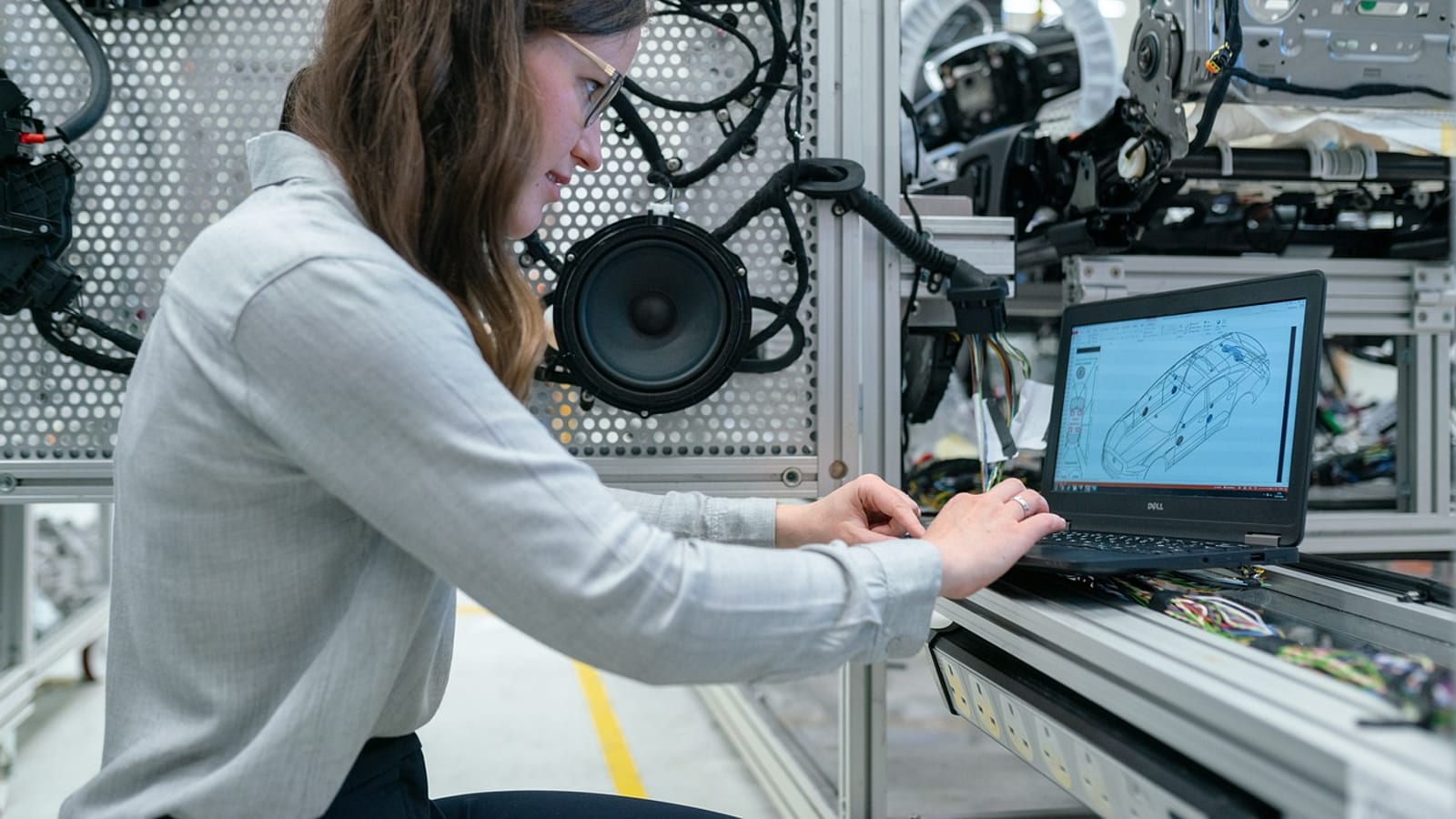
Suppliers are nominated before the design is final. A seat frame, a headlamp, a wiring harness, an instrument panel: each is developed against a specification that is still being written, by a company that has to reserve capacity and start its own tooling.
The consequence is quiet. The parts locked earliest are the ones with the longest lead times, and those are often the parts a buyer actually touches. The shape of the screen, the graphics in the cluster, the way the vents sit in the dash. The parts that can change late are the cheap ones, which is why late changes tend to be colours and trims rather than architecture.
Prototypes are built before production tooling exists, and that’s the point of a prototype: it’s made by different methods, in small numbers, by people who can afford to be slow. A prototype tells you whether the idea works. It doesn’t tell you whether the factory can build it at rate, because the factory’s tools don’t exist yet.
Certification has a queue, and the queue sets the pace
A vehicle has to be certified for each market before it can be sold there. That’s a process with its own queue, its own paperwork and its own test hardware, and it runs against production-intent parts rather than a concept. Crash structures, lighting, glazing and emissions all have to be demonstrated, and in the United States the car also carries a price and content label that has to be affixed before sale.
Certification is where late changes get expensive. A change late enough to matter can invalidate work already done and put a test slot back in the queue, which is one reason programs accumulate small compromises rather than big corrections near launch. Nobody decides to compromise. The calendar does.
The rhythm that follows from all this is a generation of six to eight years with one mid-cycle update, and it isn’t arbitrary. It’s what you get when the tooling has to be paid back, supplier contracts run for the life of the parts, certification work has to be amortised and the company needs a return before it spends again.
The mid-cycle update is the one scheduled chance to answer a market that has moved. That’s why it tends to concentrate on the parts that are cheap to re-tool: fascias, lamps, grilles, wheels and trim, plus whatever can be changed inside the cabin without touching structure. The doors, the roof and the body sides usually stay, because their dies are the expensive ones.
A car’s shape is settled years before you see it, and the market it meets is not the market it was drawn for.
Advertisement
A concept is a statement about assumptions, not a forecast
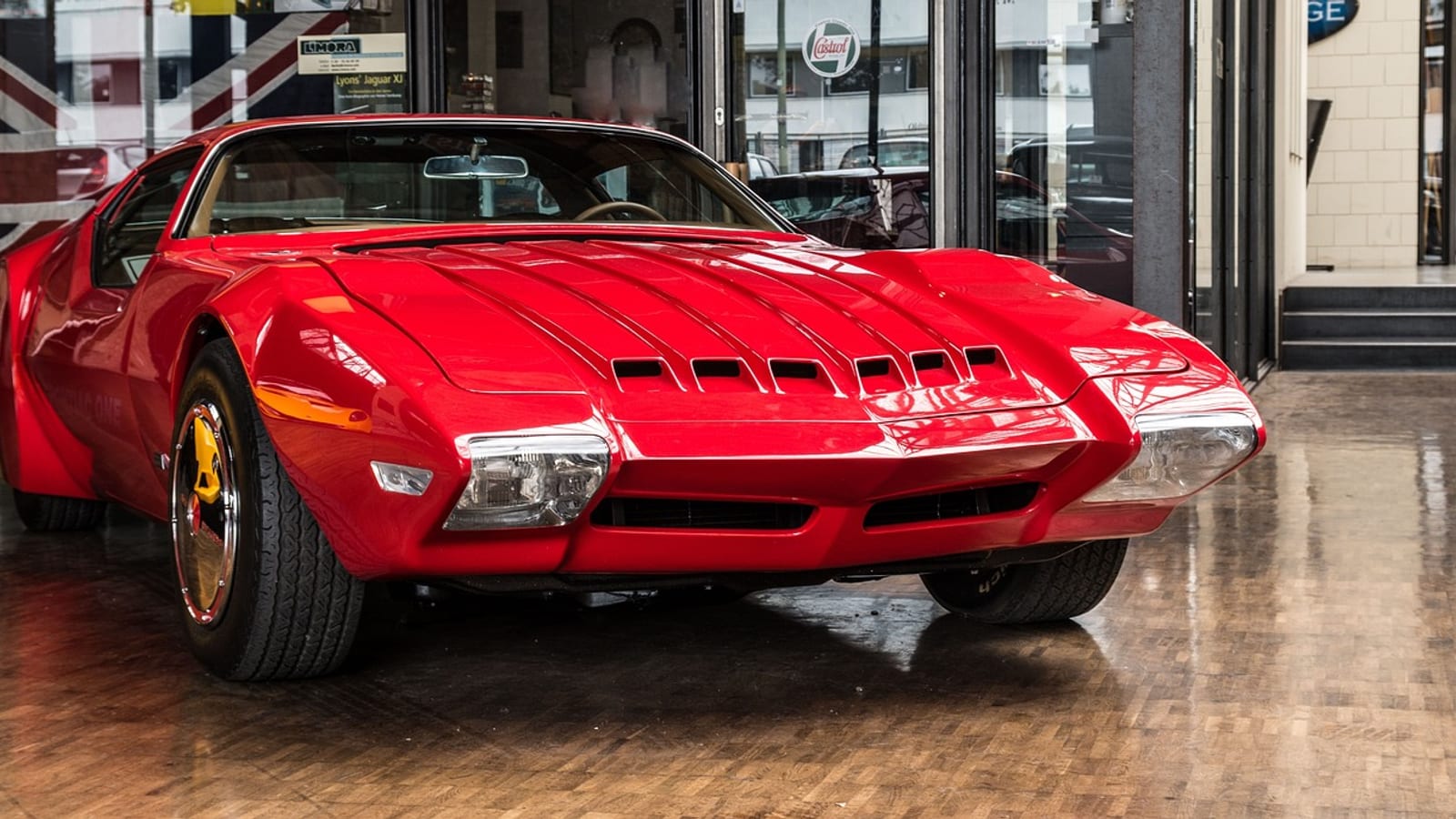
Strip away the lights and the music and a show car shows you a set of assumptions: what the people who made it believed a buyer would want, what the rules would allow, and what the factory could already do at the time it was drawn.
Some of those assumptions will look naive by the time a production car arrives. That isn’t a failure of imagination so much as a description of the distance between a drawing and a die. The interesting question at a show isn’t whether the car will be built. It’s which parts of it were already committed when the sketch was approved, and which parts were still cheap enough to argue about.